
Conservative therapy and endodontics: fillings, root canals and hygiene
Conservative dentistry treats decay and infection early, to keep your natural teeth for as long as possible.
What is this treatment?
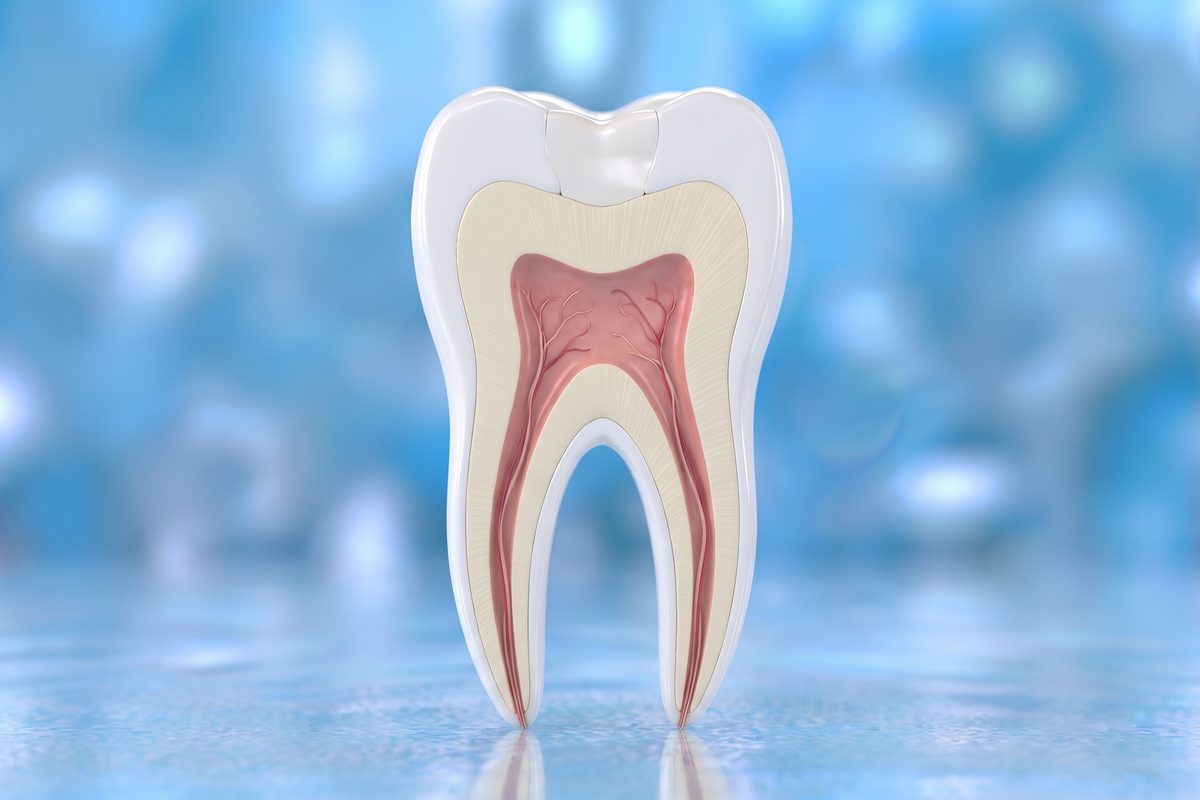
A filling removes decay and rebuilds the tooth with a tooth-coloured material. Root canal treatment, also called endodontics, cleans and seals the inside of a tooth when the nerve is inflamed or infected.
Professional cleaning removes the plaque and tartar that brushing cannot reach, which helps to prevent decay and gum disease.
Who is it for?
- Patients with decay, sensitivity or a broken filling
- Patients with toothache or an infection at the root of a tooth
- Children who need fillings or fluoride treatment
- Anyone due for a routine check-up or professional cleaning
The stages of treatment
- 1Diagnosis of the tooth and its surrounding tissues.
- 2Treatment under local anaesthesia: a filling or a root canal.
- 3A crown where the tooth needs structural protection.
- 4Professional cleaning every 6 months to prevent problems.
How long does it take?
A filling is usually completed in one appointment. A root canal may need one or more sessions, depending on the tooth and on the infection.
Services and prices
Your first visit is a normal paid appointment at the clinic: 30 minutes for the examination and X-ray. Choose the branch and a free time below; the doctor sets the treatment plan and final cost after the exam.
- Tooth filling, class I
- from 3,000 Lek
- Tooth filling, class II
- from 4,000 Lek
- Baby tooth filling
- from 2,000 Lek
- Baby tooth filling with nerve removal
- from 3,000 Lek
- Tooth filling, class IV, molar
- from 6,000 Lek
- Tooth filling, class IV, central tooth or premolar
- from 5,000 Lek
- Reconstruction with post
- from 6,000 Lek
- Tartar removal (scaling)
- from 2,500 Lek
- Deep tartar removal
- from 3,500 Lek
- Fluoridation, three sessions
- from 3,000 Lek
- Composite veneer
- from 6,000 Lek
- Tooth filling
- from 3,500 Lek
- Root canal treatment
- from 1,500 Lek per canal
- Teeth whitening
- from 10,000 Lek
Prices are starting prices. The final cost is set by the doctor after the exam and X-ray.
These prices are for patients living in Albania. Travelling from abroad? See the Medical Tourism page for packages, travel and accommodation. Medical Tourism
PricesTreatment warranty
- Fillings
- 3 years
- Root canal treatment
- 3 years
- Zirconia crowns
- 5 years
- Veneers
- 5 years
- Orthodontics
- Not applicable
- Dental implants
- The terms are explained in writing after the examination
The warranty covers the work done by the clinic and applies with regular check-ups and good oral hygiene. It does not cover damage caused by accidents or by not following the doctor's instructions.
Frequently asked questions
Does a root canal treatment hurt?
No: with modern local anaesthesia techniques it is generally well tolerated, and its purpose is precisely to remove the severe pain of an inflamed nerve.
How many sessions does a root canal treatment take?
In most cases just one. Complex infections may need two.
Why is a crown needed after a root canal treatment?
A tooth that has had a root canal loses its blood supply and becomes more fragile and more prone to fractures. A crown protects it and helps it last longer.
Why do I feel discomfort when biting after a root canal treatment?
This is common in the first 3 to 5 days, because the tissues around the root are inflamed. A common painkiller relieves the discomfort.
Composite or amalgam?
Composite contains no metal, bonds chemically to the tooth and blends in with its natural colour, unlike the old dark amalgam fillings.
How long does a composite filling last?
With good hygiene and regular check-ups, on average between 7 and 10 years.
Does scaling weaken the teeth?
No: the ultrasonic scaler removes only the tartar, without damaging the enamel. The gaps you notice right afterwards were filled by tartar and inflamed gums.
How often should I have a professional cleaning?
Every 6 months is recommended, to prevent gingivitis and periodontitis.
What should I do if a filling falls out?
Keep the area clean and book a visit soon, even if it does not hurt, because the exposed tooth can decay or break.
Why treat a tooth that does not hurt?
Decay often causes no pain at first. Treating it early usually means a smaller filling and helps to avoid a root canal later.